
The (very) early days
Palæolithic humans had inhabited caves in the Empordà since prehistoric times, but, although they left us with some essential megalithic structures, there is no recorded history of their time. By the 7th century BCE, however, the indigenous Iberian people living on the coast of this part of the Iberian peninsula were already doing business with Phoenician traders and, a little later, with Greeks, who came to learn about the region from those same Phoenicians.
This was a time when Classical Greece had not yet emerged, but was still a collection of city-states, including Athens, Sparta, Corinth, and Thebes, among others. Monuments we know today, such as the famous Parthenon on the Acropolis, were still a couple of centuries away from being built.
Those Greeks who began trading with the Iberians were from a place called Phocaea, located not far from Izmir in modern-day Turkey, but which was very much part of the ancient Greek world of the time. They traded back and forth across the Mediterranean and eventually founded the city of Marseille in or around 600 BCE – one of Europe’s oldest continuously inhabited settlements today.
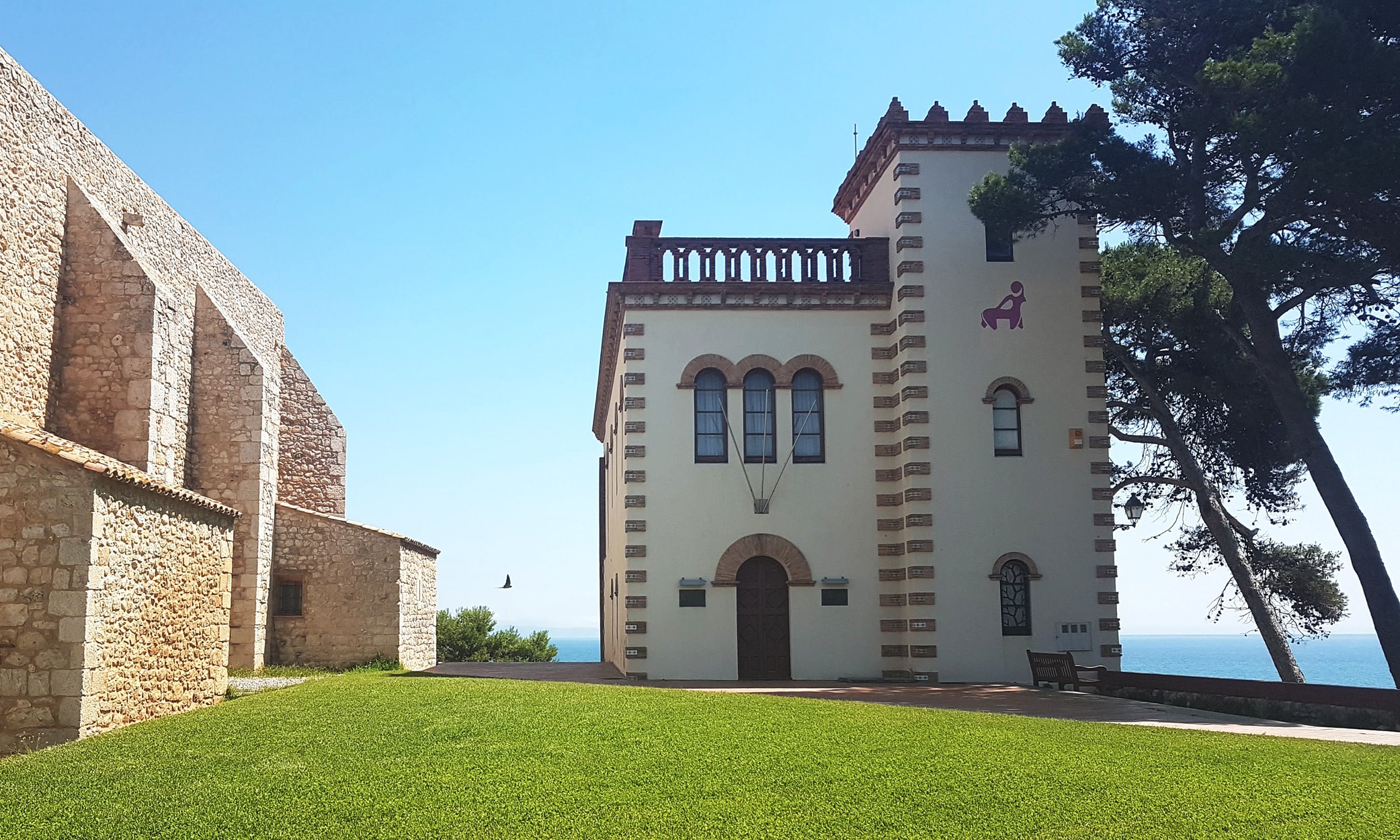
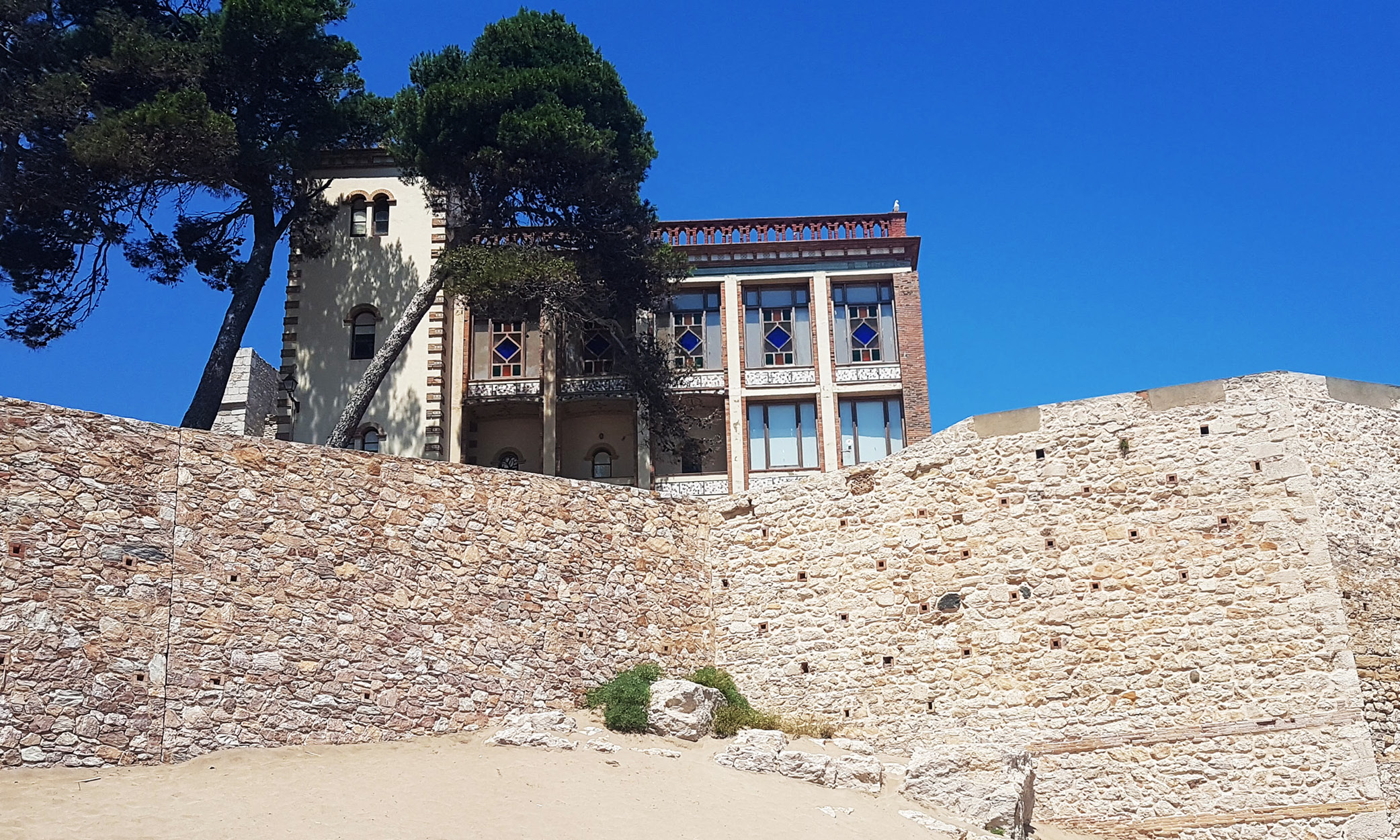
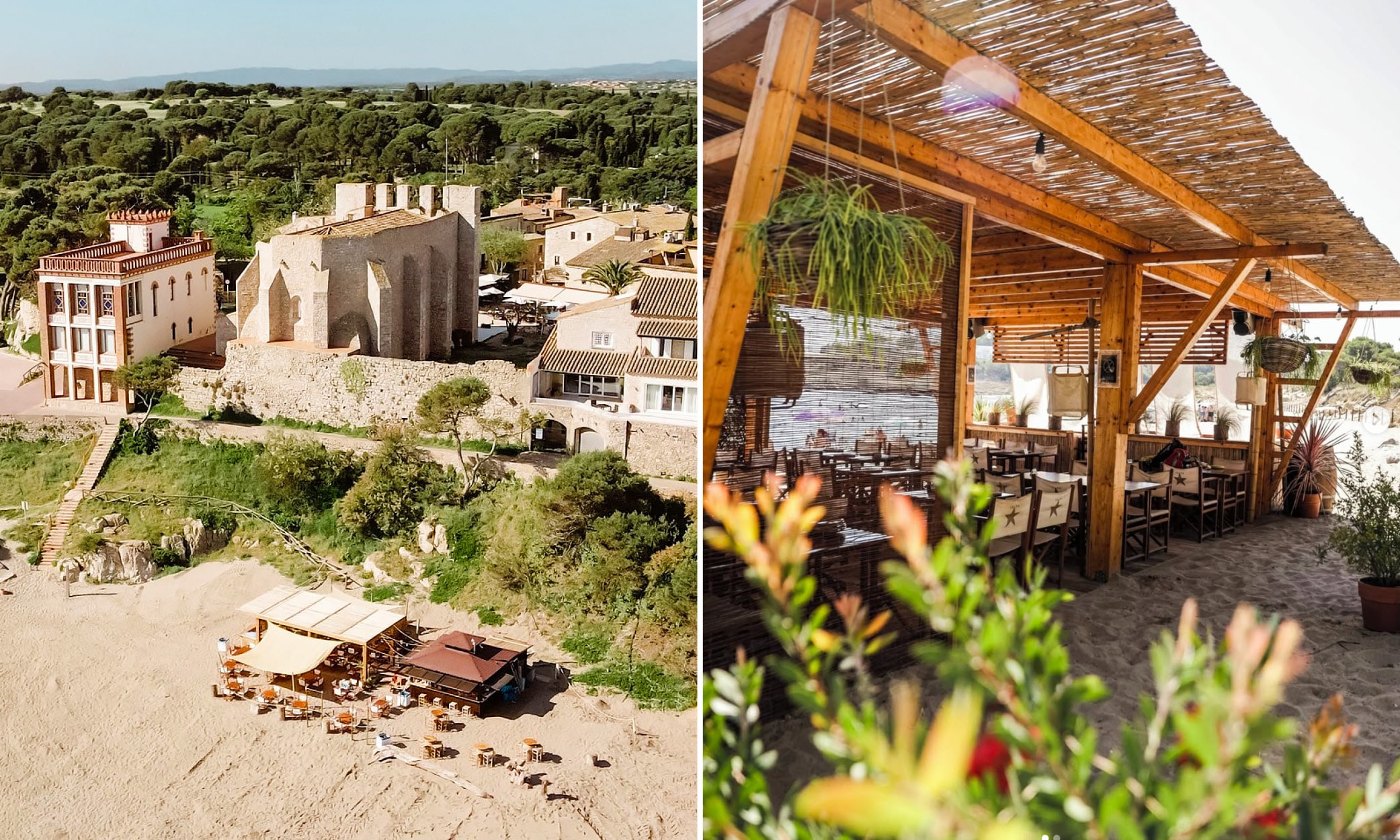
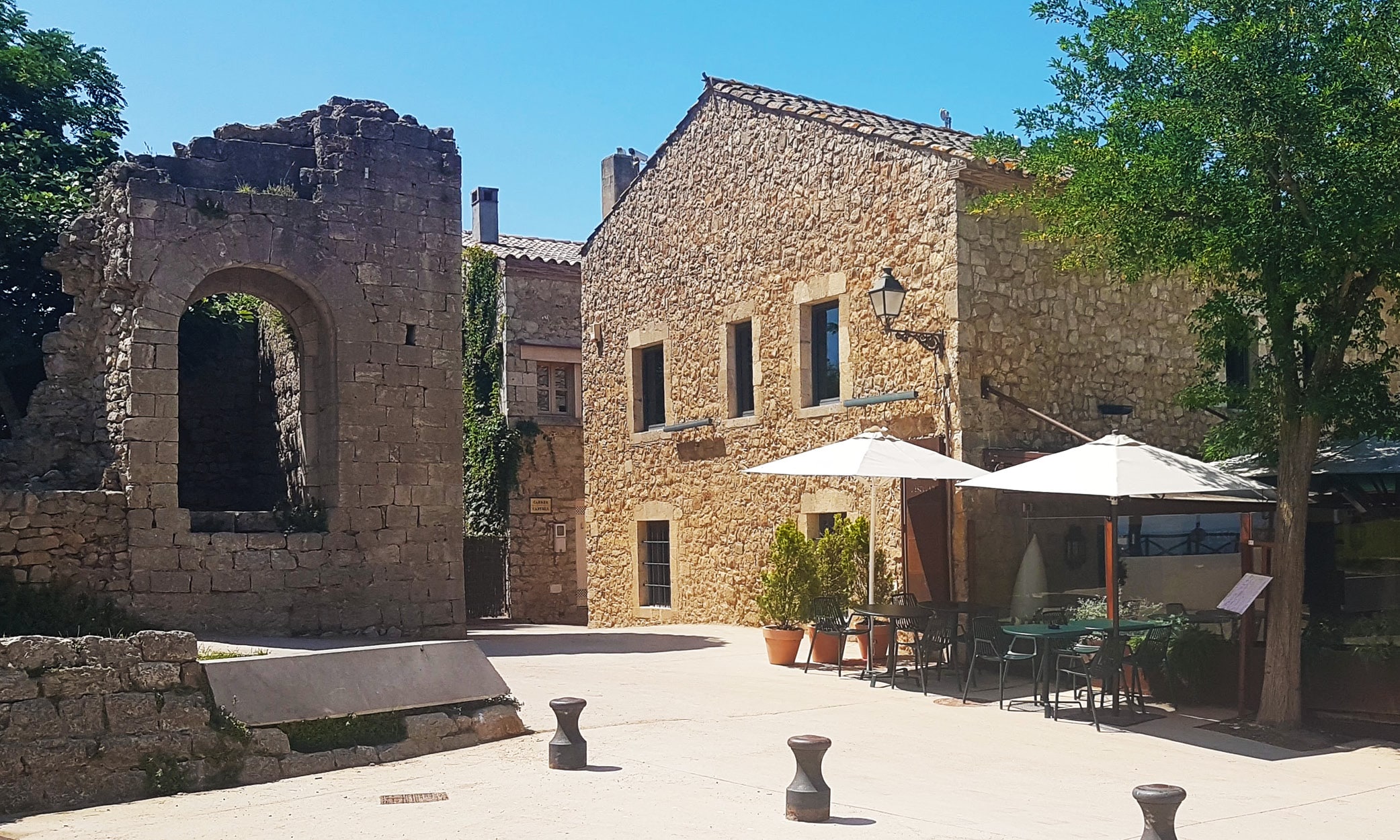
The Iberian Peninsula proved to be a valuable source of raw materials for their home city, and products from the East also sold well amongst the Iberian tribes here. Eventually, because commerce was so good – and also because of the rapidly rising population back home – some of those Phocaeans decided in the 6th Century BCE to settle on the Iberian Peninsula. The site they chose, which they called Palaia Polis, was at what is present-day Sant Martí d’Empúries, where a small Iberian settlement already existed.
This was with the blessing of the local Iberian tribe, the Indiketes, who had settled in the region at the end of the Bronze Age in the 9th Century BCE. In fact, it was trade, first with the Phoenicians and then especially with the Greeks later on, that marked the beginning of the emergence of Iberian culture.
The Indiketes had their own capital a short distance away to the south, very close to where the medieval Catalan village of Ullastret stands today (the ruins of which make for another fascinating visit). It is believed that they called this city Indika or something similar, and trade between it and the new Greek settlement was highly profitable for all parties involved.
A place of trade
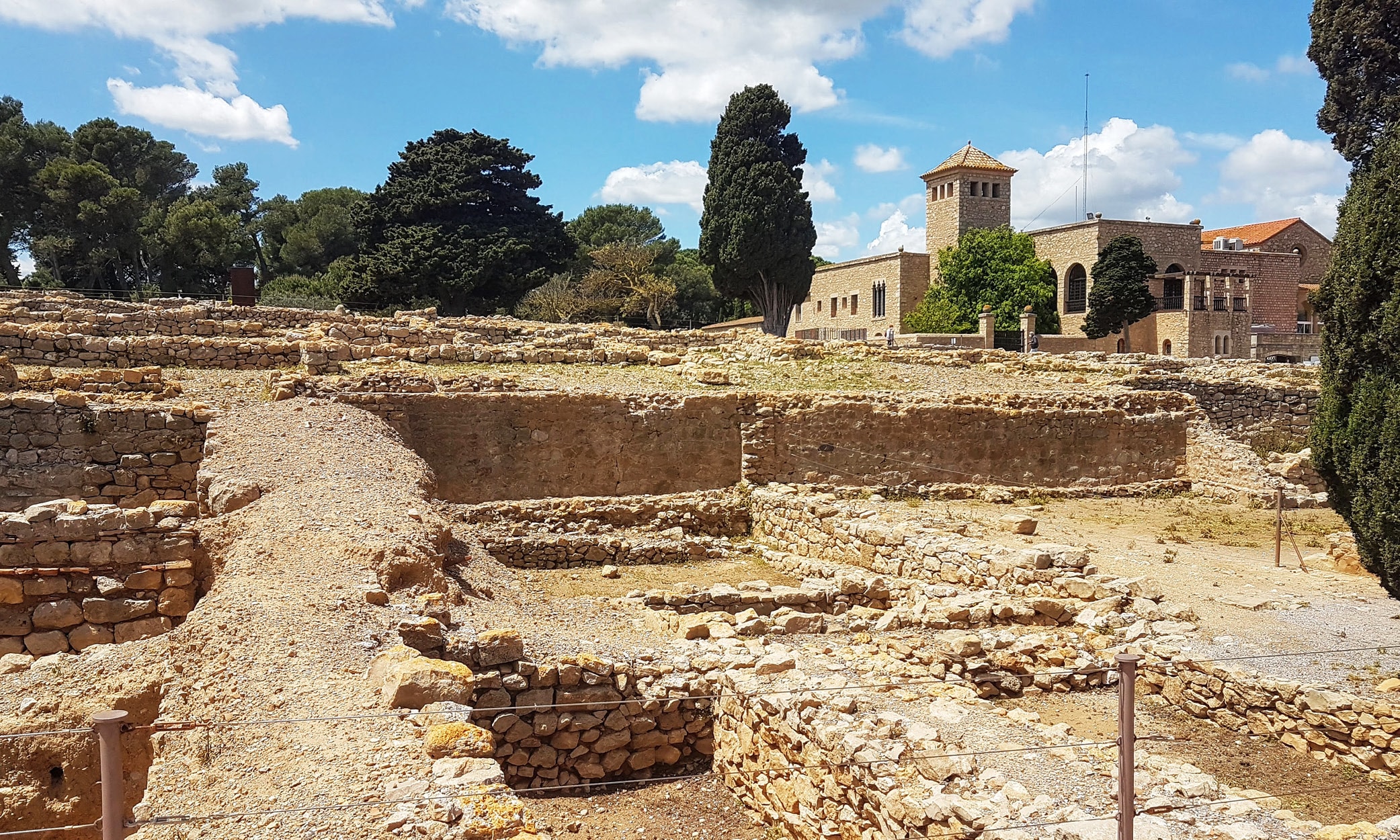
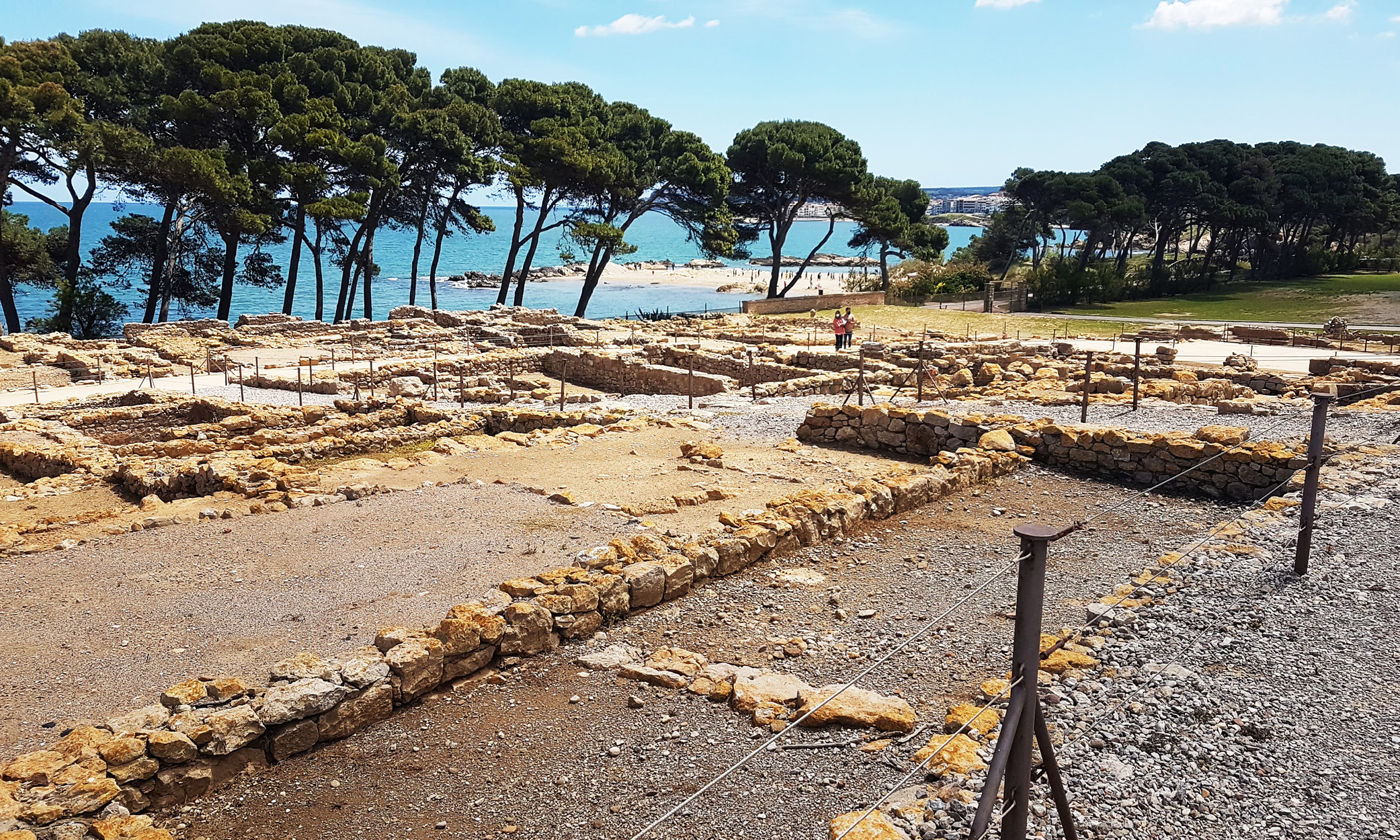
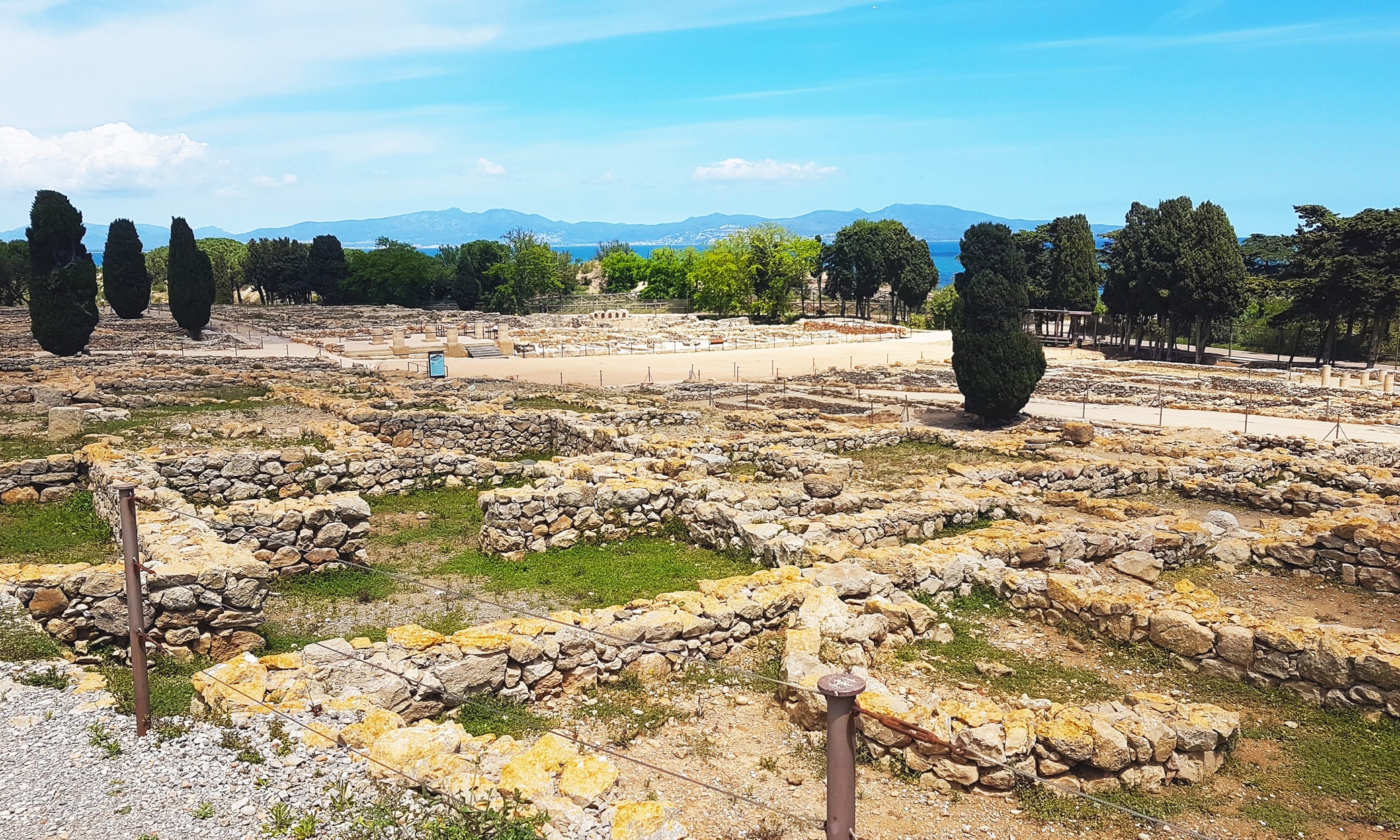
Before long, the Greeks outgrew the initial settlement at Sant Martí, which was then a tiny island, and began building a larger one just a few hundred metres away. They called this new colony Emporion, which meant ‘marketplace‘ or ‘place of trade’ in their language, and this name evolved over time to give us ‘Empordà’ today. In Latin, the word became emporium, a word still in use today in many languages.
Emporion became the first place on the Iberian Peninsula to mint its own coins, and some of those coins have been discovered in excavations of the nearby Iberian city of Indika, further evidence of the trade that once took place between the two populations.
The bigger picture
The Greeks coexisted peacefully with the Iberian Indiketes for around four centuries. During that time, on the other side of the Mediterranean, Greece went through its Classical and then Hellenistic periods.
These eras covered the wars against Persian invasion; think the famous Battle of Thermopylae and the vastly outnumbered Spartan warriors who led the Greek resistance, as depicted (very fictitiously!) in the movie “300” – and also the time of Alexander the Great whose conquests reached as far as what is nowadays northwest India and included lands in today’s countries of Pakistan, Afghanistan, Iran, Iraq, Egypt, Jordan, Syria, Turkey and Bulgaria. Just imagine the exotic goods traded in Empúries during that era!
During all that time, the Greeks and the Iberians happily co-existed almost on their own in Empúries, but the effects of events on the broader world would gradually reach Iberia and eventually bring about an end to Iberian culture. One development was especially important: Rome was growing into an empire. After Alexander’s death, his empire broke into various kingdoms, the most westerly of which was Macedonia. As the Romans expanded their territories, they gradually absorbed Macedonia into their growing empire, making it a province. They also incorporated most Greek lands into their own, including, eventually, Emporion.
The beginning of the end for the Iberians
As the Roman Empire continued to grow in size, it also came into conflict with another superpower: the Phoenician-descended Carthaginians, who dominated the southern Mediterranean from their home base in present-day Tunisia. There were three Punic Wars in total that took place over a span of around 120 years, but it was the Second Punic War, which began in 218 BCE, that changed the world of the Iberians forever.
As the Carthaginians advanced ever northwards into the Iberian Peninsula under their famous leader, Hannibal, the Greeks at Empuries allowed the Romans to use their ports to land their armies to try and block the Carthaginians’ progress on land. Following the First Punic War, the Carthaginians continued to advance through the Iberian Peninsula until eventually the Ebro Treaty was agreed upon with Rome, making the River Ebro the northern boundary of Carthaginian-conquered lands.
A short time later, however, possibly in an attempt to provoke Hannibal, the Romans became allied with the port town of Saguntum, well south of the Ebro (just north of Valencia today). Hannibal was also looking for an excuse to start another war with Rome, and so obliged by besieging and capturing Saguntum, thus beginning the Second Punic War. This was the war when Hannibal famously crossed the Pyrenees and the Alps with his large army that included a number of war elephants and invaded the Italian Peninsula.
Closer to home, the Iberian tribes, caught between the two warring superpowers, had to choose one or the other, but, in reality, it made little difference who they sided with as the Second Punic War marked the beginning of the Romanisation of the Iberian Peninsula – and it all began right here in Empúries, their first ever foothold in Iberia.
The Battle of Empúries
Following their victory over Carthage, the Romans gradually began to subsume all the indigenous Iberian and Celtic languages and cultures into their own Roman way of life. If the Iberians who allied themselves with Rome had hoped that the Romans would leave the peninsula once Carthage was defeated, they were mistaken. And the ones that opted to fight with Carthage, well, they also chose wrong because they lost! Either way, the Romans were here to stay.
A few years after the end of the Second Punic War, in 197 BCE to be precise, there was an attempted uprising by a coalition of Iberian tribes against the Romans. They besieged the Greek town of Empúries, prompting Rome to send Marcus Porcius Cato with somewhere between 20,000 and 30,000 men to put down the revolt. He arrived in 195 BCE and, as soon as he succeeded in locating where the Iberians were camped, marched his forces overnight and launched a surprise attack at dawn.
The defeat of the Iberians in what became known as the Battle of Empúries was so complete, and the manner in which they were treated was so brutal and ruthless, that it put paid to any further Iberian resistance. The precise location of the battle is still being investigated, but it is believed to have occurred either close to where L’Escala is today or further inland, possibly near Ventalló.
In reality, it was a rout rather than a battle, and marked the beginning of the end for Iberian culture and language. Almost all the languages of the Iberian Peninsula today, including Castellano, Catalan, Portuguese, Gallego and all their dialects, are Latin. Euskera, or Basque, is the only exception.
Greco-Roman harmony
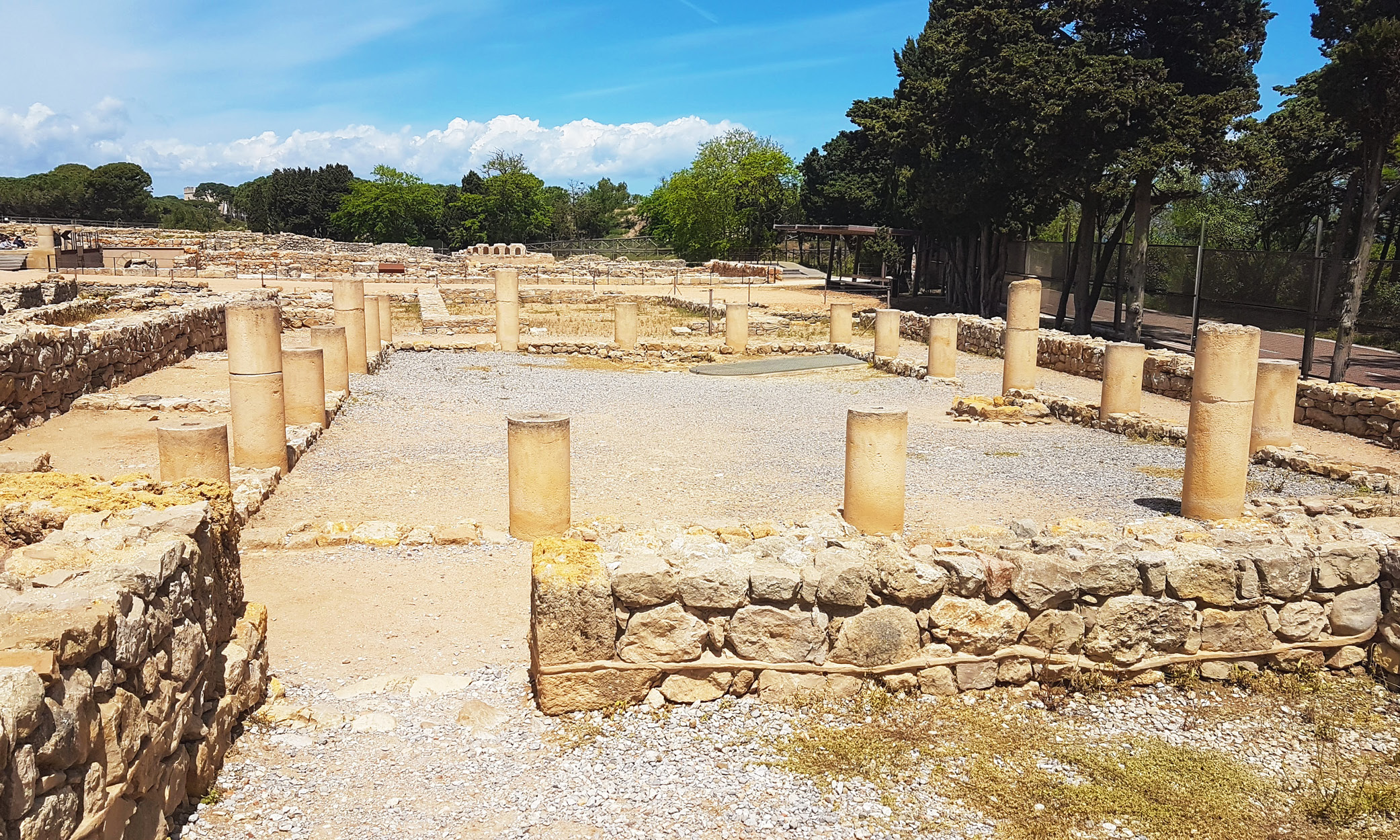
As mentioned above, the Empurian Greeks supported Rome in the Punic Wars, and as a result, they were granted a significant degree of autonomy under Roman rule afterwards. It was Rome’s victory that enabled Empúries to continue prospering. It became the main port for goods travelling between the Iberian and Italian peninsulas. What was originally a Roman military camp established in 195 BCE on a hill overlooking the Greek colony at Empúries became a city that eventually merged with the pre-existing Greek town.
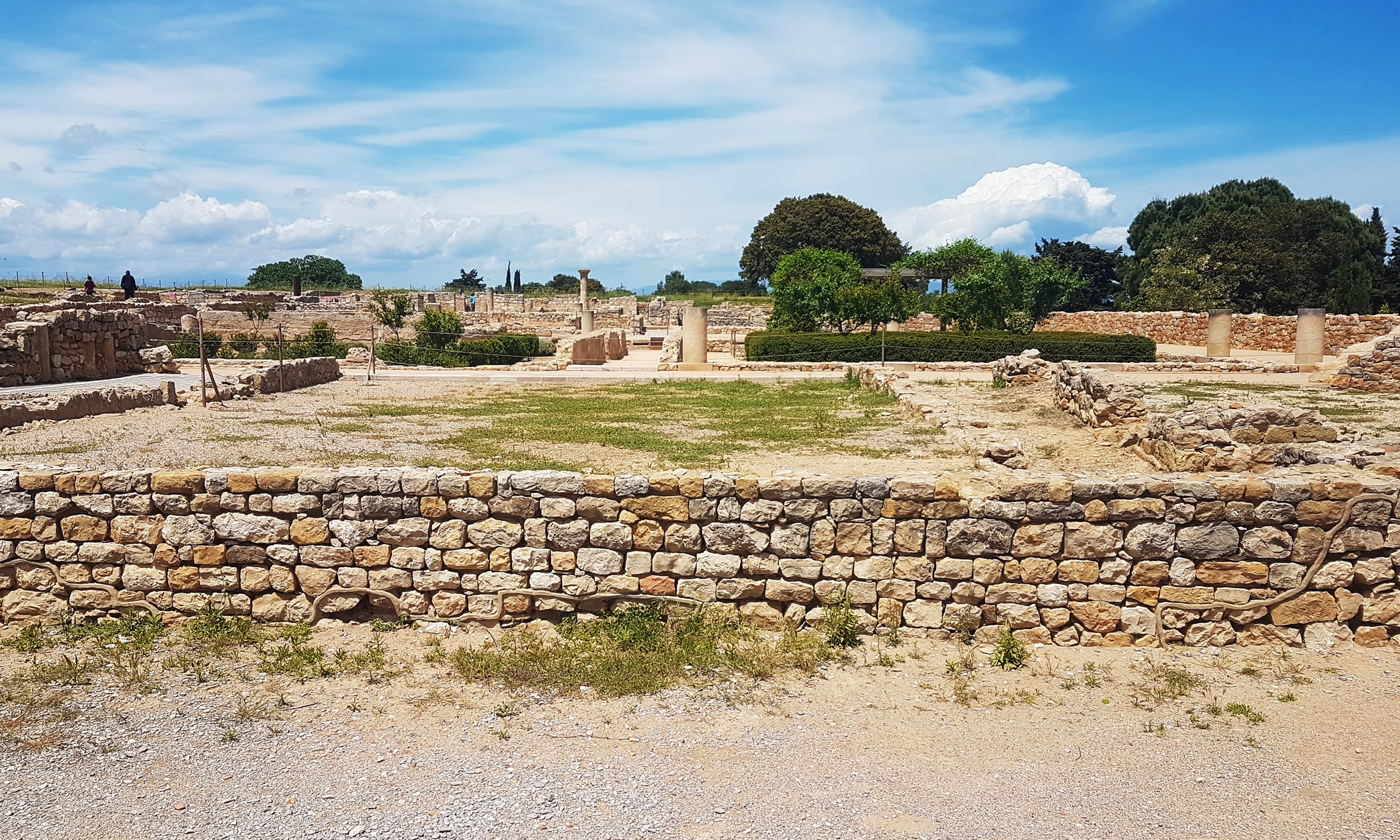
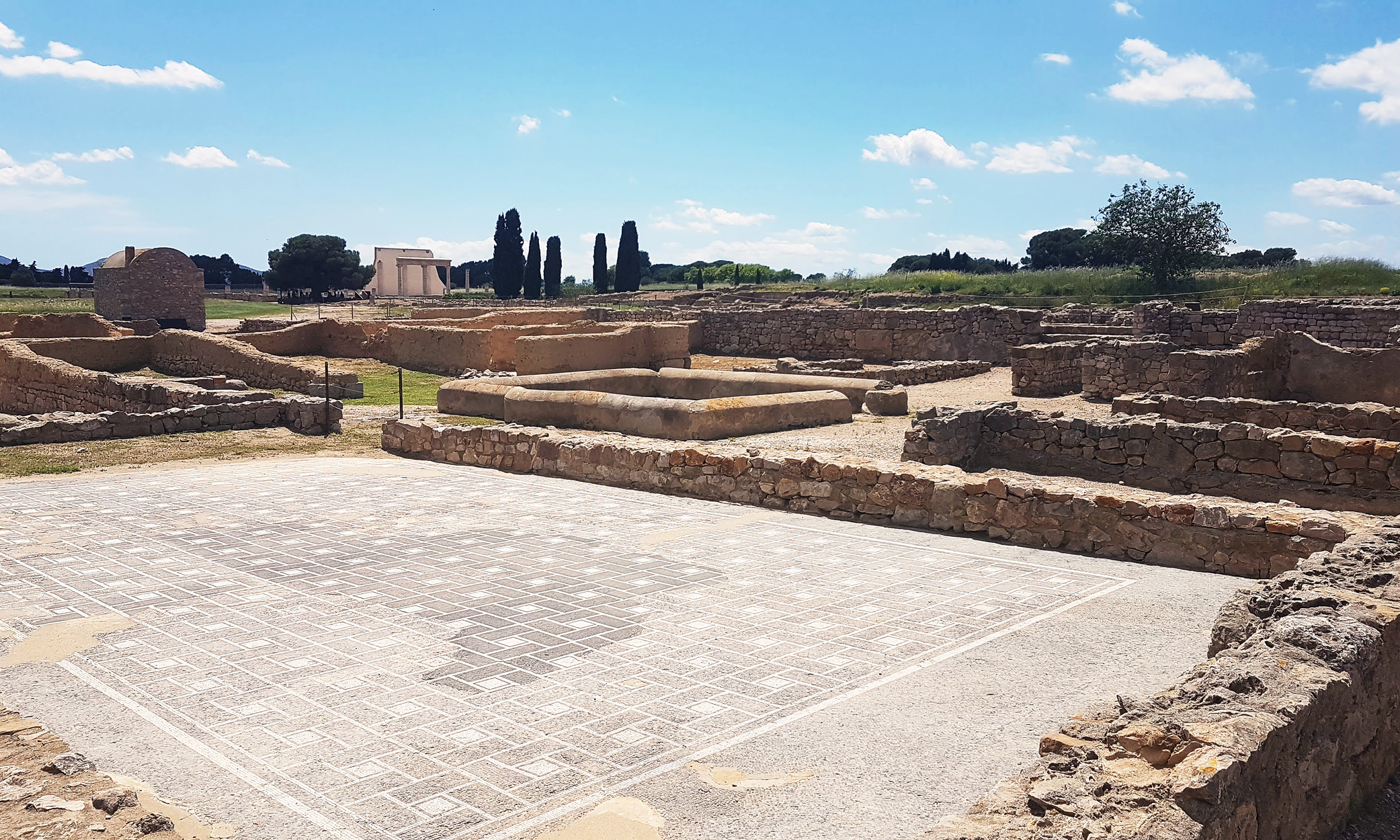
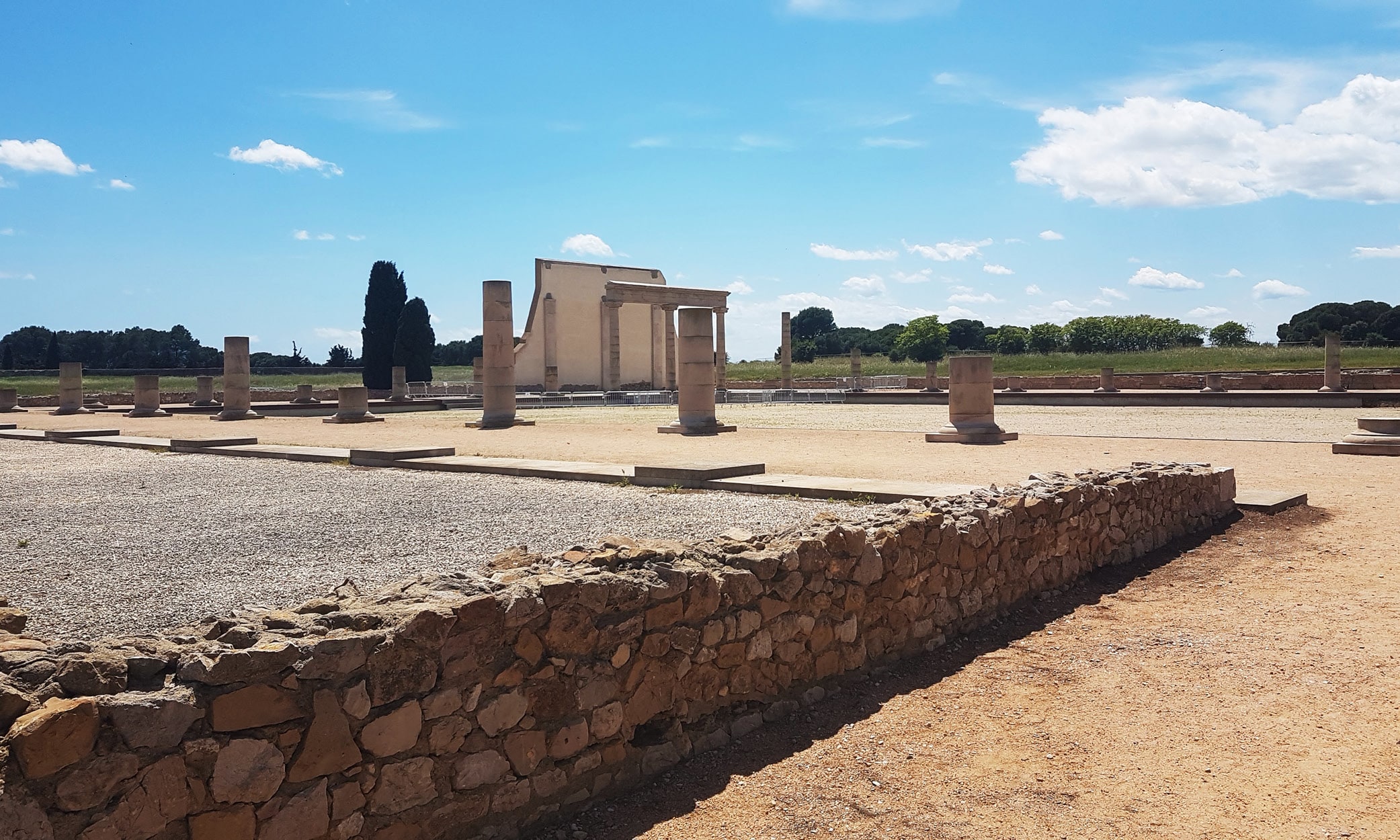
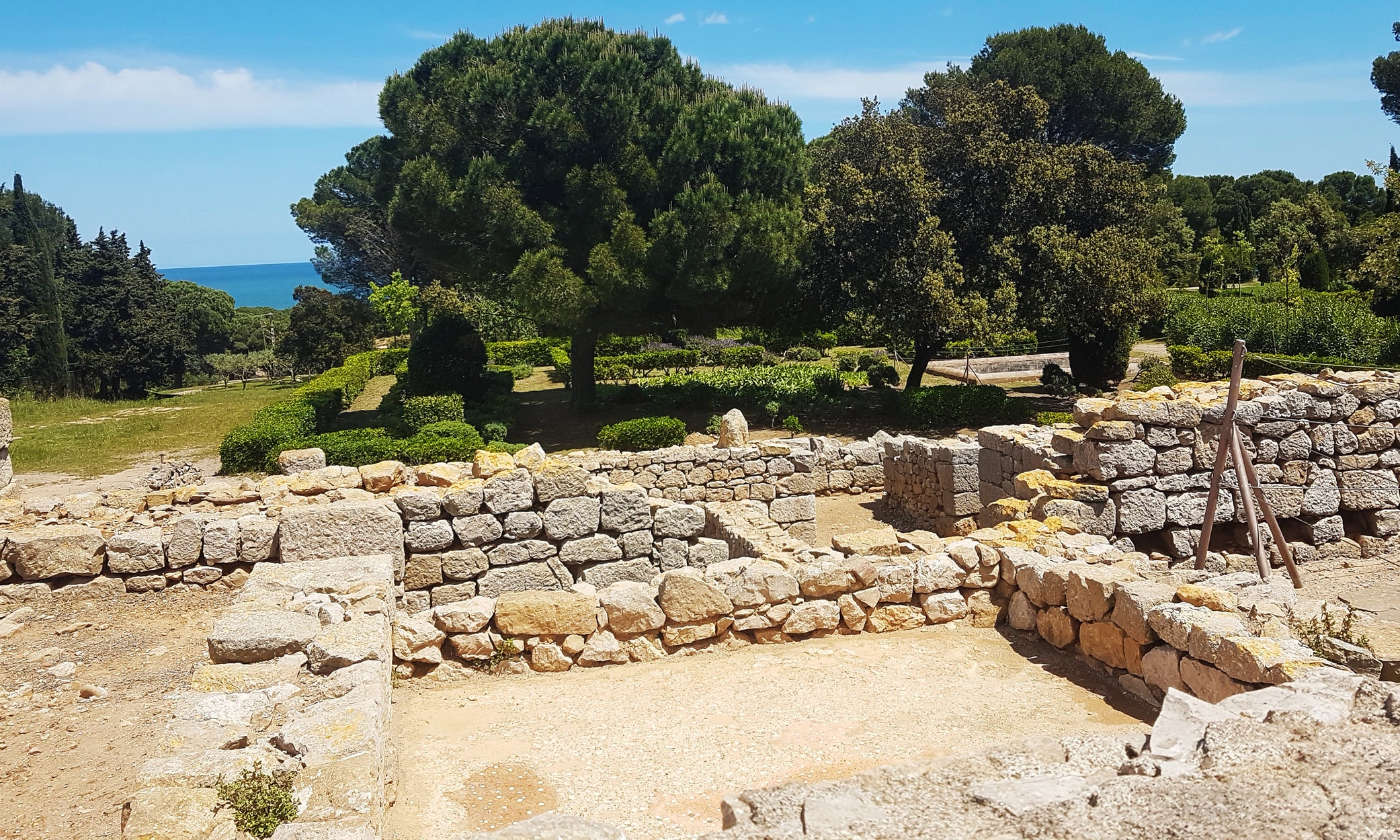
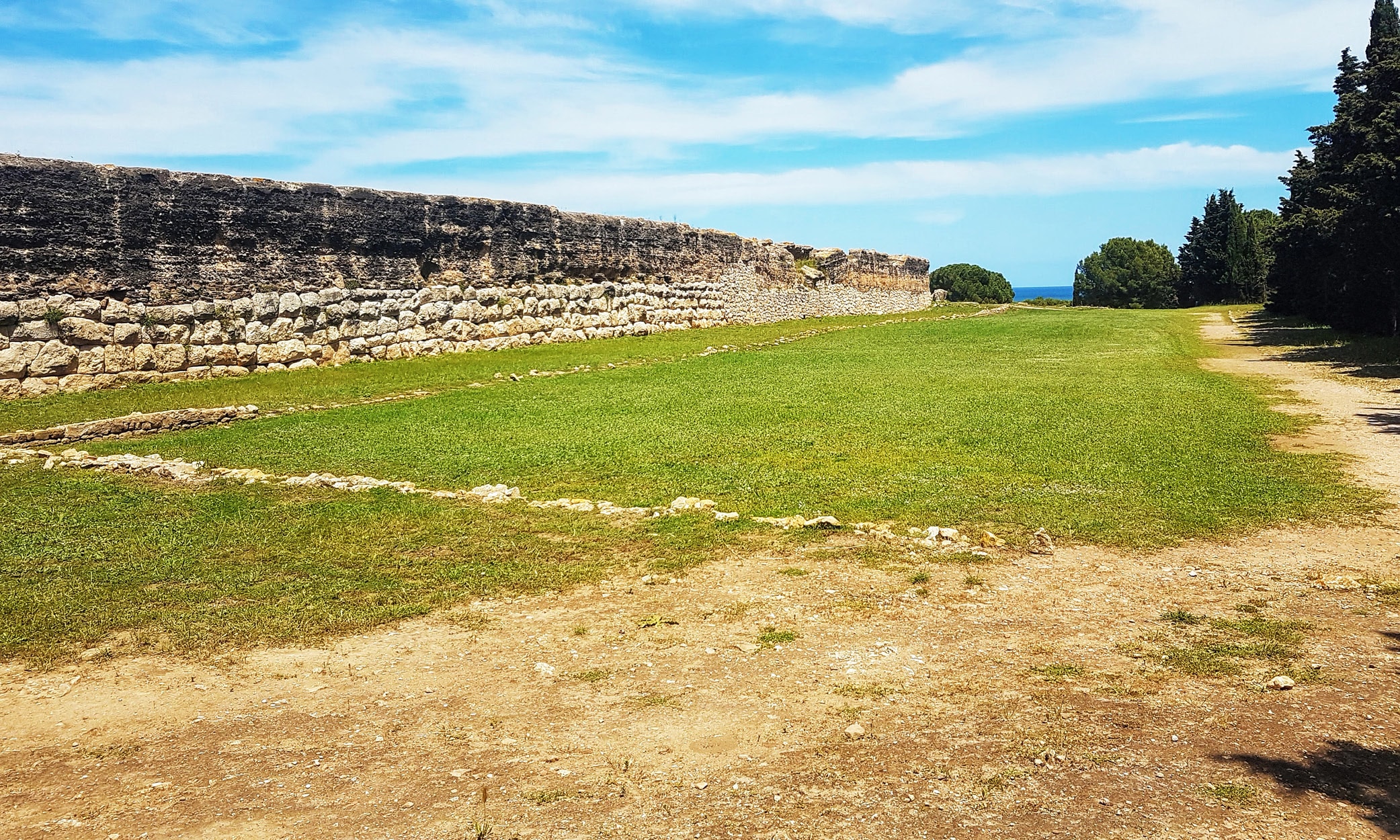
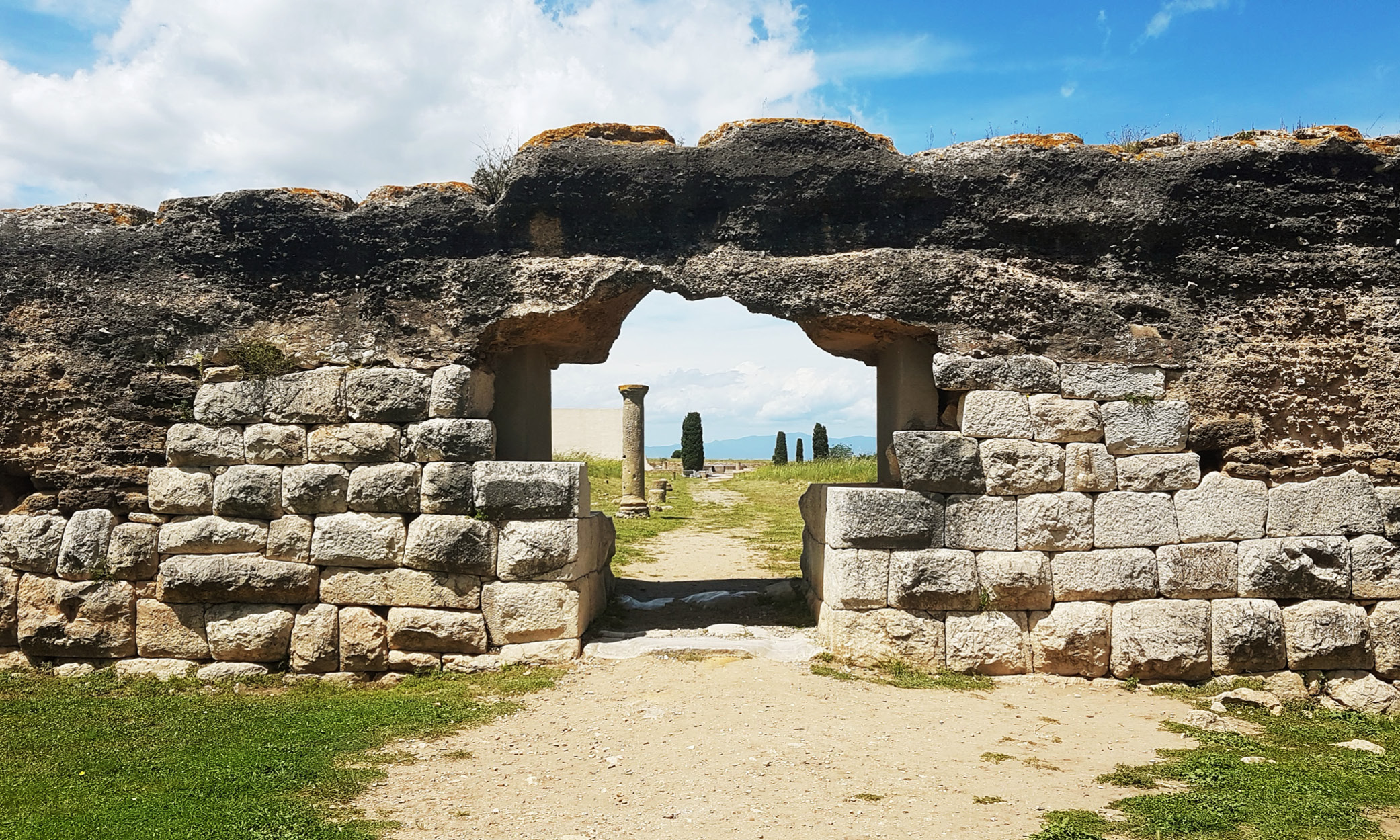
One of the things that makes Empúries unique is that it is the only site on the entire Iberian Peninsula where both Greek and Roman ruins are located in the same place. Although much of the Roman city has yet to be excavated – in fact, it is estimated that only around 20% has been unearthed so far – we have a pretty good understanding of what daily life might have been like here and of the functions of the various structures, all of which is very well explained in the audio tour available. More on that shortly.
The decline of Empúries
The Roman city began its decline around the turn from BCE to AD – the beginning of the ‘first’ Millenium, mainly due to the rise in importance of the port cities of Tarraco (Tarragona) and Narbo (Narbonne) which were linked by the Via Domitia, both to each other and onwards through Gaul (France) via Masala (Marseille) to the Italian Peninsula, also connecting with the cities of Gerunda (Girona) and Barcino (Barcelona).
Later, as the Roman Empire declined, the population moved further inland where their settlements could be more easily defended from attacks by Mediterranean pirates who were now freer to operate without fear of Roman reprisals, and by the end of the 3rd Century Empúries had been abandoned altogether with only the site where the Greeks first settled at Palaia Polis (Sant Martí d’Empúries) remaining inhabited.
During the Arab conquest of most of the Iberian peninsula after the decline of the Roman Empire, the Empordà region was only briefly occupied (for about 60 years) before it was, in turn, taken by the Christian Franks in the 8th Century, and St Martí became the capital of the county of Empúries. Later again, in the 11th Century, when the capital was moved to Castelló d’Empúries, St Martí dwindled to become nothing more than a fishing village.
Rediscovery and the museum
Over the years, the elements and a certain amount of pillaging took their toll on the ancient city, and it was lost to history until it was rediscovered in the early 20th century. Excavations began in 1908 and have continued almost without interruption to the present day.
The ruins of the ancient Greco-Roman city can now be visited as one of several managed by the Museu d’Arqueologia de Catalunya. It is open every day from 10:00 (except on Mondays between mid-November and mid-February). The entry fee is €6 per adult, €4 for OAPS and students, and free for U16S – plus it is free for everyone on the first Sunday of the month from October to June. You can buy tickets online in advance.
An audio tour is available in Catalan, Spanish, French, and English, which works by scanning a barcode with your smartphone. Bring your own headphones if you can. There is also an introductory video available at the beginning of your visit, before you start the audio tour, in the same languages and shown in a small theatre that seats approximately 40 people. Tickets can be bought in advance online.
In 2022, a new virtual tour became available, allowing one to truly immerse oneself in ancient Empúries and experience what life might have been like centuries ago. At the time of writing (May 2023), the virtual is only available in Catalan and Spanish, but other languages will become available in time.